Types of Vehicle Fleet Maintenance and When Each One Applies
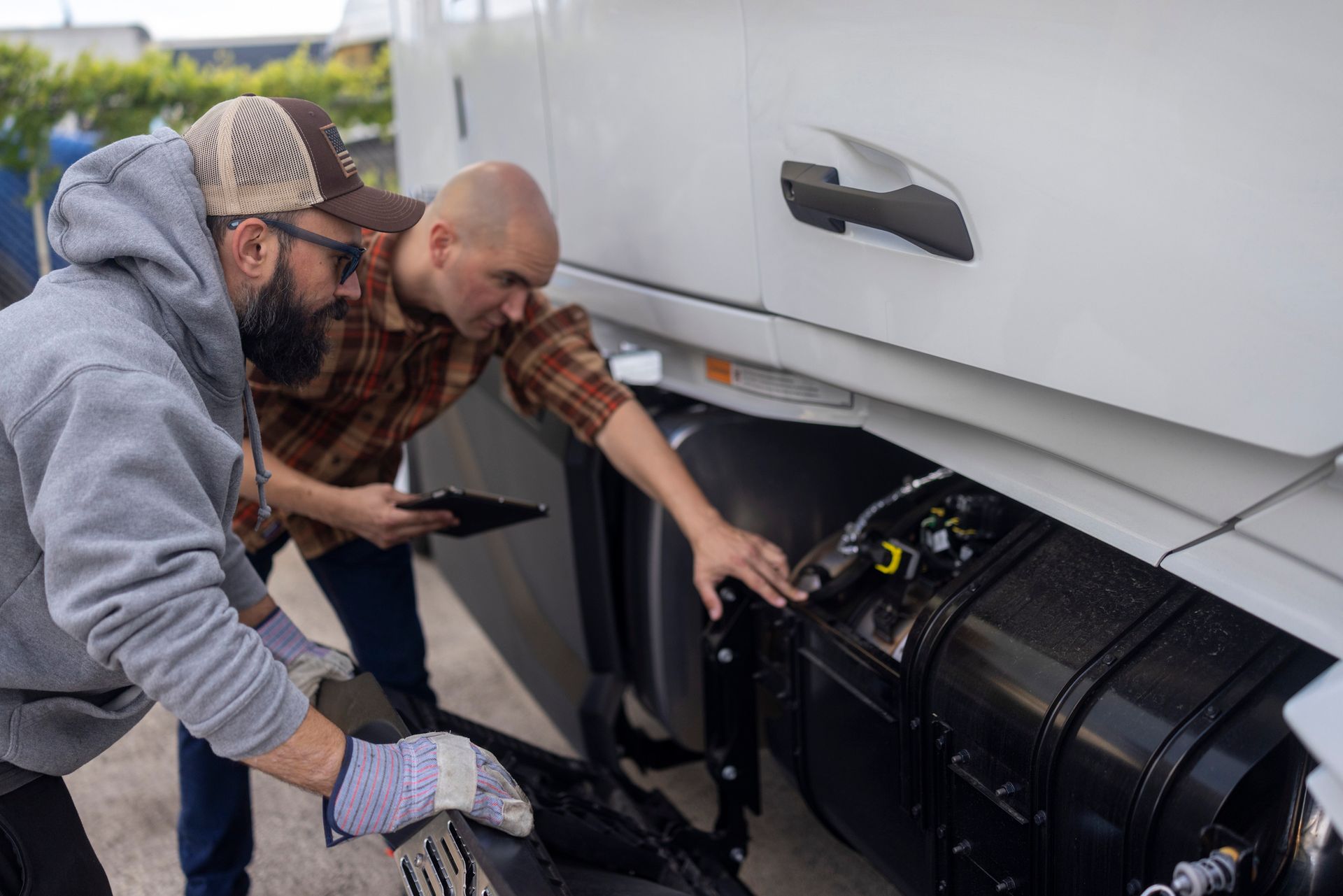
A well-run Vehicle Fleet Maintenance program does more than fix broken vehicles. It keeps each vehicle safe, reliable, and on the road when the business needs it. Most programs combine several types of maintenance, each suited to a different situation. Understanding the four main types helps fleet managers choose the right mix, control costs, and reduce unexpected downtime. This guide explains preventive, predictive, corrective, and emergency maintenance, and when each one makes sense.
Preventive Maintenance: Service on a Schedule
Preventive maintenance follows a fixed plan based on time or usage. Oil changes, filter replacements, tire rotations, brake inspections, and fluid checks typically happen at set mileage or hour intervals. The goal is to catch wear before it becomes a breakdown.
Preventive work suits almost every fleet, especially vehicles that cannot afford unexpected downtime, such as delivery vans or service trucks. It is also the foundation of most manufacturer maintenance schedules. A fleet manager can start with the manufacturer's recommended intervals, then adjust them for the vehicle's actual conditions.
Predictive Maintenance: Service Based on Condition
Predictive maintenance uses data to decide when service is needed. Sensors, diagnostic reports, oil analysis, and telematics can show signs of trouble, such as rising engine temperatures, unusual vibration, or slowly declining battery health. The team then schedules repairs before a part fails.
This approach works best for fleets that already track vehicle data. It requires some investment in monitoring tools and staff who can read the results, but it can reduce both unnecessary service and surprise failures. Predictive maintenance complements preventive work rather than replacing it, because some components still need scheduled attention.
Corrective Maintenance: Repairing What Has Already Failed
Corrective maintenance fixes a problem after it appears. A worn belt that snaps, a failed alternator, or a brake component that needs replacing after an inspection all fall into this category. Corrective work is unavoidable in every fleet, but a program that relies on it too heavily tends to have higher costs and more downtime.
Good corrective practice includes clear reporting. Drivers should record symptoms as soon as they notice them, and technicians should document the repair. Those records help the team spot patterns, such as one vehicle that keeps needing the same repair.
Emergency Maintenance: Responding to Sudden Failures
Emergency maintenance handles sudden breakdowns, roadside failures, or safety-critical defects that need immediate action. A flat tire on a busy route, an overheating engine, or a brake problem discovered during a shift all require a fast response to get the vehicle out of danger and back into service.
Emergency situations are easier to manage with a plan in place. Keep a roadside kit in each vehicle, make sure drivers know whom to call, and maintain a list of approved repair and towing providers. Clear procedures help drivers stay safe while the team responds.
How the Four Types Work Together
A strong program uses all four types in proportion to the fleet's needs. Preventive maintenance prevents most failures, predictive maintenance refines the timing of service, corrective maintenance handles the problems that slip through, and emergency maintenance covers the rest. Over time, the balance should shift toward more planned work and fewer emergencies.
Fleet managers can measure this shift by tracking downtime, repair frequency, and the share of work that is planned versus unplanned. When emergency repairs make up a large share of the workload, it often signals that the preventive schedule needs review.
What Is the Most Important Type of Vehicle Fleet Maintenance?
Preventive maintenance is usually the foundation of any Vehicle Fleet Maintenance plan, because it prevents many failures before they happen. Predictive, corrective, and emergency work each play a role, and the right balance depends on the fleet.
Do Small Fleets Need Predictive Maintenance?
Small fleets can benefit from predictive methods, especially simple ones such as tracking fuel use, tire wear, and driver reports. Advanced monitoring tools are not always necessary to start.
How Do I Know Which Type of Maintenance a Vehicle Needs?
Start with the manufacturer's schedule, then review the vehicle's service history, driver reports, and any diagnostic data. A qualified technician can recommend the right service based on what they find during an inspection.
Build a Maintenance Program That Fits Your Fleet
Each type of maintenance has a place in a well-managed fleet, and a clear plan makes every type easier to run. Fleet managers who document their maintenance decisions can explain them to drivers, owners, and auditors. Start with a preventive schedule, add condition monitoring as the fleet grows, and prepare a clear plan for repairs and emergencies. Review the program every few months so the mix of maintenance activities keeps pace with how the fleet is used.
For help setting up a program, call
505-880-8222 or
visit our
contact page.
Check Clark Truck Equipment Company Inc. on Google.